Blood donation plays a crucial role in saving lives and strengthening communities. In emergencies such as accidents, surgeries, or childbirth complications, donated blood becomes the lifeline for patients in need. It also supports those suffering from chronic illnesses like Thalassemia, Hemophilia, and Cancer, who depend on Regular transfusions. Since blood cannot be manufactured, voluntary donors are the only source, making their contribution invaluable. Beyond saving lives, blood donation fosters compassion and solidarity within society, reminding us that a simple act can have a profound impact. Moreover, donors themselves benefit through health screenings and reduced risk of certain diseases. Truly, donating blood is not just a medical necessity but a social responsibility, and every unit donated is a gift of life.
The Blood Donation Process
Watch this video to understand the safe and simple blood donation process.
Eligibility For Blood Donation
Blood donation is a noble act that requires the donor to meet certain health and medical standards to ensure both the safety of the recipient and the wellbeing of the donor.
Age Requirement
Must be between 18 to 65 years old
Weight Requirement
Minimum weight of 45 kilograms
Health Requirements
Hemoglobin levels at least 12.5 g/dL
Normal blood pressure and pulse rate
Those who suffer from chronic illnesses such as heart disease, cancer, kidney failure, or uncontrolled diabetes are permanently excluded, as donation could pose risks to their health. Temporary restrictions also apply to individuals who have recently undergone surgery, received vaccinations, experienced infections, or acquired tattoos or piercings, as these situations may increase the risk of transmitting diseases. Women who are pregnant or breastfeeding are advised not to donate, as their bodies require additional resources for maternal and infant health. Furthermore, donors must maintain a gap of at least three months between donations for men and four months for women, allowing the body sufficient time to replenish lost blood components.
These eligibility criteria are carefully designed to protect both parties involved, ensuring that blood donation remains a safe, effective, and lifesaving practice that strengthens the health of society as a whole.
The Life-Saving Importance of Blood Donation
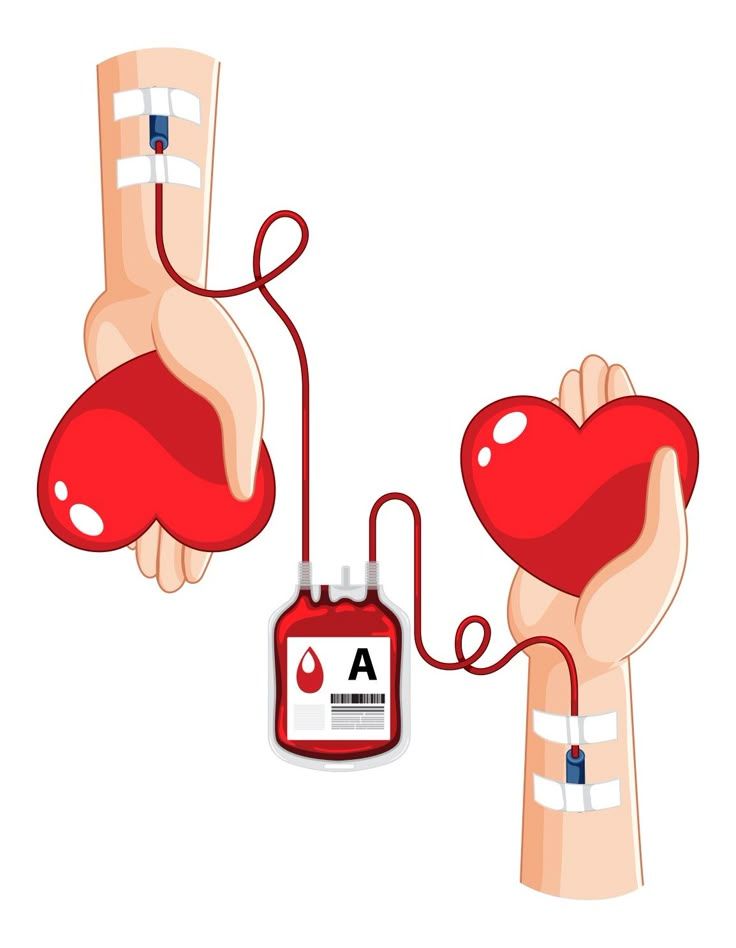
Blood donation is important because it helps save lives. Many people need blood during accidents, surgeries, childbirth, and serious illnesses, and blood cannot be made artificially. It can only come from healthy donors. By donating blood, we support hospitals and emergency services, help patients recover faster, and give hope to families in need. Blood donation is safe and takes only a short time, but it can make a life-changing difference for someone in need.
Welcome to Mass Blood Bank, your trusted partner in saving lives through the gift of blood donation. At Mass Blood Bank, we are dedicated to providing a safe and reliable supply of blood and blood products to hospitals and patients in need. Our mission is to ensure that every individual has access to life-saving blood transfusions when they need it most.
Benefits of Blood Donation
For Donors
- Free health screening
- Reduced risk of heart disease
- Burns calories (about 650 per donation)
- Helps maintain healthy iron levels
For Recipients
- Life-saving support in emergencies
- Support for cancer treatments
- Help for surgical patients
- Support for chronic disease management
For Community
- Strengthens healthcare system
- Builds social solidarity
- Creates awareness about health
- Saves multiple lives per donation